Unlock the Secret to Perfect Homemade Tempeh: No Soaking, No Oven, Just Your Instant Pot
Imagine a world where crafting your own delicious, nutty tempeh is not only simple but also yields a product far superior to anything you’d find in a store. For years, making tempeh at home felt like a culinary Everest for many – a time-consuming process involving lengthy soybean soaks, precise cooking, and the tricky art of maintaining consistent incubation temperatures, often tying up your oven for days. But what if we told you that the secret to effortless, exceptional homemade tempeh lies in one of your favorite kitchen appliances? Yes, we’re talking about your Instant Pot.
This comprehensive guide will demystify
how to make tempeh using your Instant Pot, transforming a seemingly daunting task into a surprisingly easy and incredibly rewarding experience. Forget the bitterness of some store-bought varieties or the inconvenience of complex methods. With just a few simple ingredients and the magic of your pressure cooker, you’re about to discover a world of fresh, budget-friendly, and undeniably tastier fermented goodness.
Why Your Instant Pot is the Ultimate Tempeh-Making Machine
The Instant Pot isn't just for quick weeknight meals; it's a game-changer for fermentation, particularly when it comes to tempeh. Its ability to both rapidly cook ingredients and maintain precise, low temperatures makes it an unparalleled tool for aspiring tempeh makers.
No Soaking, No Peeling – Seriously!
One of the biggest hurdles in traditional tempeh recipes is the prerequisite for soaking soybeans overnight, often followed by the tedious process of dehulling (removing the outer skins). The good news? When you’re learning
how to make tempeh in the Instant Pot, these steps are largely eliminated. By opting for dehulled split soybeans, you bypass the soaking entirely – a quick rinse is all they need. This choice also means no more fiddling with individual bean skins, saving you considerable active preparation time and streamlining the entire process.
Faster, Hands-Off Soybean Cooking
Gone are the days of babysitting a pot of simmering soybeans on the stovetop for over an hour, constantly checking water levels and worrying about overcooking. The Instant Pot handles this with remarkable efficiency. Simply add your rinsed beans and water, set it to pressure cook, and walk away. The beans emerge perfectly cooked – al dente, not mushy – in a fraction of the time, ready for the next stage. This hands-off approach is a significant advantage, freeing you up to focus on other tasks or simply enjoy your day.
Effortless Incubation: Reclaim Your Oven!
Perhaps the most revolutionary aspect of using an Instant Pot for tempeh is its incubation capability. Traditional methods often require rigging up elaborate warming stations or, most commonly, dedicating your oven at a low temperature for 24-48 hours. This can be a major inconvenience, especially if you have a family to feed or a sudden craving for chocolate chip cookies!
The Instant Pot's "Yogurt" mode is perfectly calibrated for tempeh fermentation. It maintains a consistent temperature of around 85-90°F (30-32°C), creating the ideal environment for the Rhizopus Oligosporus mold to flourish. This means your oven remains free for baking, roasting, or whatever culinary adventure awaits, while your tempeh quietly ferments to perfection within its dedicated Instant Pot incubator.
Superior Flavor and Texture: A Homemade Difference
If you’ve ever found store-bought tempeh to be a bit bland, rubbery, or even slightly bitter, prepare for a revelation. Homemade tempeh, particularly when made with this streamlined method, boasts a subtly nutty, earthy, and incredibly mild flavor profile. It's firm yet tender, and its neutral taste makes it a fantastic canvas for absorbing marinades and spices, transforming into a star ingredient in countless dishes. This clean, fresh flavor is a hallmark of the Instant Pot method and a key reason why many swear by making their own.
Understanding Tempeh: Your Guide to a Fermented Powerhouse
Before we dive deeper into the "how," let's clarify what tempeh actually is and why it's such a valuable addition to your diet.
What Exactly is Tempeh?
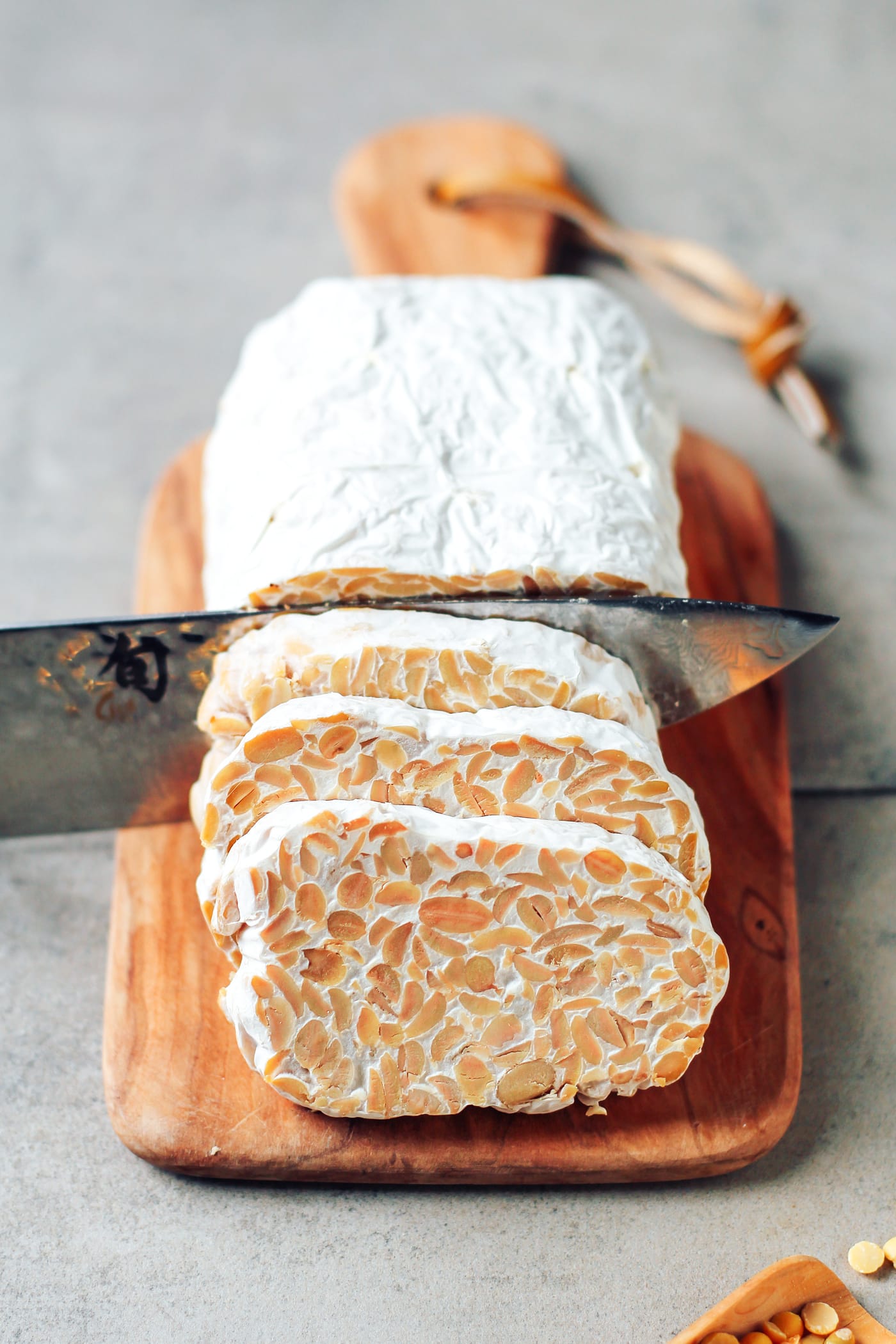
Tempeh is a traditional Indonesian food made by fermenting whole soybeans with a specific type of mold, Rhizopus Oligosporus. Unlike tofu, which is made from coagulated soy milk, tempeh is created by binding entire soybeans together into a firm, dense, and sliceable loaf. The mold grows between and around the beans, creating a cohesive, protein-rich block. This fermentation process not only imparts a unique texture and flavor but also enhances the digestibility and nutritional value of the soybeans.
Tempeh vs. Tofu: What's the Difference?
While both tempeh and tofu are popular soy-based protein sources, their production methods and nutritional profiles differ significantly.
*
Tofu: Made from curdled soy milk, much like cheese from dairy milk. It has a smoother, often softer texture and a more neutral flavor.
*
Tempeh: Made from whole, fermented soybeans. Because it retains the entire soybean, it is typically higher in protein, dietary fiber, and certain vitamins and minerals compared to tofu. The fermentation also breaks down some of the anti-nutrients in soybeans, making the nutrients more bioavailable.
In essence, tempeh is a wholesome, nutrient-dense food that packs a significant protein and fiber punch, making it an excellent choice for plant-based diets or anyone looking to diversify their protein sources. This makes an
Instant Pot tempeh recipe cheaper, tastier, and high in protein a very attractive option.
Essential Ingredients and Tools for Instant Pot Tempeh
One of the beauties of this method is its simplicity, requiring just three core ingredients and your trusty Instant Pot.
The Three Pillars of Tempeh
1.
Dehulled Split Soybeans: As mentioned, these are your secret weapon for skipping the soaking and peeling. They're readily available online or in specialty health food stores.
2.
Tempeh Starter (Rhizopus Oligosporus): This is the special mold culture that kickstarts the fermentation process. It usually comes in a powdered form and is crucial for binding your soybeans into a cohesive loaf. Look for reputable brands online.
3.
Vinegar: A small amount of apple cider vinegar (or white vinegar) is added to the cooked beans. This slightly lowers the pH, creating an acidic environment that inhibits the growth of unwanted bacteria while allowing the tempeh mold to thrive.
Your Essential Equipment
*
Instant Pot: The star of the show, used for both pressure cooking the soybeans and incubating the formed tempeh. Ensure your model has a "Yogurt" function.
*
Large Bowl: For mixing the cooled soybeans with the tempeh starter and vinegar.
*
Colander: For rinsing soybeans and draining them after cooking.
*
Perforated Bags or Trays: The tempeh mold needs oxygen to grow. You'll need food-safe bags with small holes (purpose-made tempeh bags work best) or shallow, perforated trays (like those used for steaming or sprouting) to hold the beans during incubation. The Instant Pot provides the heat, but the beans still need to be contained and aerated within the pot.
*
Thermometer: An instant-read thermometer is helpful for ensuring your beans have cooled to the correct temperature (around body temperature, 90-95°F or 32-35°C) before adding the starter. Too hot, and you'll kill the mold; too cold, and it won't activate effectively.
Your Instant Pot Tempeh Journey: A High-Level Overview
While a full, detailed recipe will have precise measurements and timings, here’s a simplified breakdown of the process to give you a clear understanding of
how to make tempeh with your Instant Pot:
1.
Rinse & Pressure Cook: Thoroughly rinse your dehulled split soybeans. Add them to your Instant Pot with water and pressure cook until tender-crisp (al dente).
2.
Cool & Dry: Drain the cooked beans and spread them out on a clean baking sheet or towel to cool down to body temperature. It's crucial they are relatively dry on the surface to prevent undesirable mold growth.
3.
Acidify & Inoculate: Transfer the cooled, dry beans to a large bowl. Add a splash of vinegar and then sprinkle in your tempeh starter, mixing thoroughly to ensure even distribution.
4.
Form & Incubate: Spoon the inoculated beans into your perforated bags or trays, ensuring they form a relatively thin, even layer (about 1-1.5 inches thick). Place these formed tempeh packages *inside* your Instant Pot. Set the Instant Pot to "Yogurt" mode on its low setting.
5.
The Waiting Game: Let the Instant Pot work its magic for approximately 24-48 hours. During this time, the white mold will grow, binding the beans together. You'll know it's ready when the beans are completely encased in a dense, white mycelium, forming a firm, cohesive block. It might even feel slightly warm to the touch.
6.
Harvest & Store: Once fully fermented, remove your beautiful homemade tempeh! It's now ready to be used in your favorite recipes or stored in the refrigerator for up to a week, or frozen for several months.
Mastering Homemade Tempeh: Tips for Success & Troubleshooting
Even with the Instant Pot simplifying the process, a few key insights can elevate your tempeh-making game.
*
Sanitation is Paramount: Always work with clean hands, utensils, and containers. Unwanted bacteria or molds thrive in environments where they face no competition. A quick wipe-down of surfaces with vinegar can help.
*
Temperature Control: The Instant Pot handles this well, but ensure your beans are cooled correctly (90-95°F / 32-35°C) before adding the starter. Too hot, and you'll "cook" the mold spores; too cold, and fermentation will be sluggish or fail.
*
Aeration is Non-Negotiable: The Rhizopus mold needs oxygen to grow. Ensure your bags or trays are sufficiently perforated. If using bags, don't overfill them; if using trays, ensure they're not too deep.
*
Don't Be Afraid of a Little Black: As the tempeh fully matures, you might see small, sparse black spots or streaks on the surface. This is the mold sporulating and is generally harmless and completely natural. However, if you see widespread green, pink, or fuzzy black patches, that indicates contamination, and it’s best to discard the batch.
*
Listen to Your Nose: Properly fermented tempeh should have a pleasant, mushroomy, slightly nutty aroma. A strong, ammonia-like, or overly sour smell usually indicates an issue.
*
Patience is a Virtue: Fermentation takes time. While 24-48 hours is typical, environmental factors can cause slight variations. Don't rush it; let the mold do its job until the block is firm and fully white.
*
Experiment with Other Legumes: Once you've mastered soybean tempeh, you can experiment with chickpeas, black beans, or even grains!
The Rewarding Conclusion: Your Tempeh Journey Awaits!
Making tempeh at home, especially with the game-changing Instant Pot method, is one of the most satisfying culinary endeavors you can undertake. It transforms raw soybeans into a versatile, nutritious, and incredibly flavorful food with minimal active effort. You'll gain a deeper appreciation for fermented foods, enjoy the incredible taste and health benefits of fresh homemade tempeh, and likely save money in the long run.
So, banish the intimidation, embrace the power of your Instant Pot, and embark on your own journey of creating perfect, never-bitter tempeh right in your kitchen. The joy of slicing into a firm, snow-white loaf that *you* created is truly unparalleled. Happy fermenting!