Homemade Tempeh is Easy: 3 Ingredients, Better Than Store-Bought
Embarking on the journey of homemade tempeh might seem like stepping into the complex world of fermentation, but what if we told you it's astonishingly simple? Forget the intimidating reputation; learning
how to make tempeh at home is not only easier than you think but also incredibly rewarding. Imagine a robust, nutty, and distinctly fresh block of tempeh, free from any bitterness, that you crafted with your own hands using just three essential ingredients. This isn't just a fantasy; it's a delicious reality that awaits you.
For years, store-bought tempeh has been a staple for many, often appreciated for its protein and fiber content. However, it frequently comes with a slight bitterness or an unappealing aftertaste that can deter even the most enthusiastic plant-based eaters. Homemade tempeh, particularly when made with a few clever shortcuts like an Instant Pot, eliminates these issues, offering a superior product that's both budget-friendly and a joy to prepare. This comprehensive guide will walk you through the simple steps, revealing why your own kitchen is the best place to create this Indonesian superfood.
Why Homemade Tempeh Trumps Store-Bought Every Time
The allure of making your own tempeh goes beyond the satisfaction of a DIY project. There are tangible benefits that elevate homemade versions far above their commercial counterparts.
Superior Taste & Texture
One of the most immediate and striking differences you’ll notice is the taste. Store-bought tempeh can often possess a noticeable bitterness or a "fungal" aftertaste that requires extensive marinating to mask. Homemade tempeh, however, boasts a subtle, nutty, and earthy flavor profile that is clean and mild. This makes it an exceptional blank canvas, ready to absorb any marinade or seasoning you throw its way. Its texture is also often firmer and more consistent, binding the soybeans into a cohesive yet tender loaf that slices beautifully and holds its shape during cooking.
Cost-Effectiveness & Freshness
Tempeh can be a relatively pricey item at the grocery store, especially if you consume it regularly. The raw ingredients for homemade tempeh—primarily soybeans and a starter culture—are significantly cheaper per serving. This makes homemade tempeh a smart choice for your wallet. Beyond savings, you gain unparalleled freshness. There's no comparison between a product that has traveled across countries or sat on a shelf for weeks and one that you've just harvested from your own incubator. The vibrant aroma and perfect white mycelium are testaments to its fresh quality.
Control Over Ingredients & Health Benefits
When you make tempeh yourself, you have complete control over the quality and origin of your soybeans. You can opt for organic, non-GMO beans, ensuring a pure product. Furthermore, tempeh is a powerhouse of nutrition. Made from whole fermented soybeans, it retains all the dietary fiber and nutrients of the beans, unlike tofu which is made from soy milk. The fermentation process itself makes the nutrients more bioavailable and introduces beneficial probiotics, promoting gut health. Tempeh is an excellent source of plant-based protein, iron, calcium, and B vitamins.
The Magic Behind Your 3-Ingredient Tempeh
The beauty of homemade tempeh lies in its simplicity. You truly only need three core components to transform humble soybeans into a culinary marvel.
1. Dehulled Split Soybeans
These are your foundation. While whole soybeans can be used, dehulled split soybeans are a game-changer for speed and convenience. "Dehulled" means the outer skin (hull) has been removed, and "split" means they are halved. This eliminates the tedious process of manually dehulling the beans, which can be time-consuming. Crucially, dehulled split soybeans also negate the need for overnight soaking, drastically cutting down your preparation time. A simple rinse is all that's required before cooking.
2. Tempeh Starter (Rhizopus Oligosporus)
This is where the magic happens! Tempeh starter is a dried culture containing *Rhizopus oligosporus*, the specific mold responsible for fermenting the soybeans. This beneficial fungus grows around and between the cooked beans, binding them into a firm, edible cake. The quality of your starter is paramount for successful fermentation, so source it from a reputable supplier.
3. An Acidifying Agent (e.g., Apple Cider Vinegar)
While often overlooked, an acidifying agent like apple cider vinegar or lactic acid is the crucial third ingredient. It lowers the pH of the cooked soybeans, creating an optimal environment for the *Rhizopus oligosporus* to thrive while inhibiting the growth of undesirable bacteria. This step is vital for ensuring a successful, safe, and delicious batch of tempeh.
Simplified Process: How to Make Tempeh the Easy Way (Instant Pot Focus)
Making tempeh at home has been revolutionized by modern kitchen appliances, particularly the Instant Pot. This multi-cooker streamlines what used to be a multi-day, multi-appliance process into a straightforward, almost hands-off experience.
Preparation and Cooking
Gone are the days of constant stove-top monitoring. With dehulled split soybeans, simply rinse them under cold water until the water runs clear. Then, pressure cook them in your Instant Pot. This significantly reduces cooking time compared to conventional methods and ensures perfectly tender beans without being mushy—a critical factor for good tempeh texture.
Acidification and Inoculation
Once cooked and slightly cooled, the soybeans are drained and then gently mixed with your chosen acidifying agent (like apple cider vinegar) and the tempeh starter. It's essential that the beans are cooled enough to handle but still warm enough (around 90-95°F or 32-35°C) to activate the starter without killing it. Even distribution of the starter is key for uniform mold growth.
Incubation: The Instant Pot Advantage
This is where the Instant Pot truly shines. After mixing, the inoculated beans are transferred into a suitable container (often a perforated bag or a shallow dish) within the Instant Pot's inner pot. Using the "Yogurt" function on your Instant Pot maintains a stable, warm temperature—typically around 88-90°F (31-32°C)—which is ideal for the *Rhizopus oligosporus* to grow. This eliminates the need for a dedicated incubation chamber, an oven (which ties it up for 24-48 hours), or finicky temperature control. It makes the entire process incredibly user-friendly and consistent. For a deep dive into using this method, you'll love our article on
Make Tempeh in Instant Pot: No Soaking, No Oven Needed, which expands on these incredible time-saving benefits.
The Reveal
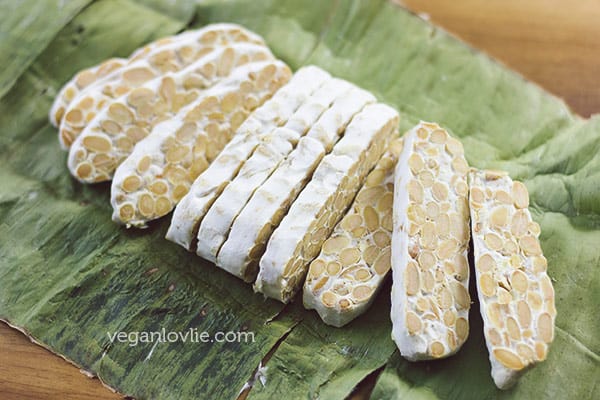
After approximately 24-48 hours, depending on your environment and starter activity, you'll be greeted with a stunning block of tempeh. A successful batch will be entirely bound by a dense, white mycelium (the visible mold), forming a firm, sliceable loaf. There might be some black or grey spots, which are normal and indicate sporulation of the mold – a sign of maturity. The entire mass should feel warm and smell pleasantly mushroomy or yeasty, never sour or off. You've just created a culinary masterpiece! For more incredible insights into the financial and health benefits, check out our
Instant Pot Tempeh Recipe: Cheaper, Tastier & High in Protein.
Tempeh vs. Tofu: Understanding the Differences
While both tempeh and tofu are popular soy-based protein sources, they are fundamentally different in their production and nutritional profiles.
Tofu is made by curdling soy milk (much like cheese is made from dairy milk), pressing the curds into blocks. This process removes much of the fiber and some nutrients found in the whole soybean.
Tempeh, on the other hand, is made from *whole* soybeans that are cooked and then fermented. Because it uses the entire bean, tempeh is significantly higher in dietary fiber, protein, and certain vitamins and minerals compared to tofu. The fermentation also breaks down phytic acid, making the nutrients more accessible and easier to digest. In essence, tempeh offers a more complete nutritional package and a heartier, chewier texture compared to tofu's softer, custard-like consistency.
Crafting your own tempeh from scratch is a deeply satisfying and surprisingly simple endeavor. With just three key ingredients—dehulled split soybeans, tempeh starter, and an acidifier—and the magic of an Instant Pot, you can consistently produce a product that far surpasses anything you'll find in stores. Not only will you enjoy a superior taste and texture, but you'll also benefit from the cost savings, freshness, and unparalleled nutritional value. So, take the leap and discover the joy of homemade tempeh; your taste buds and your wallet will thank you.