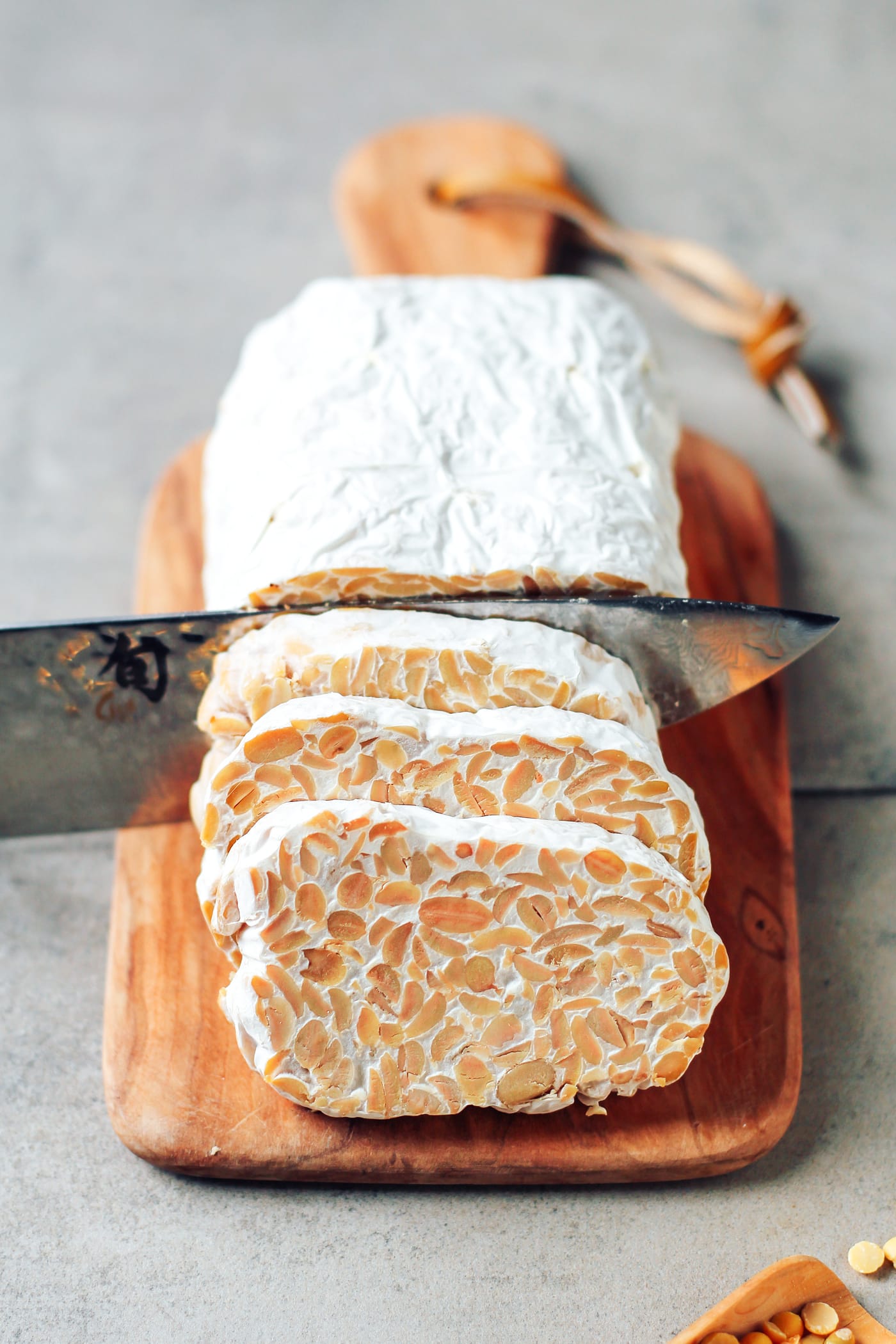
Unlock the Secret to Superior Tempeh: Your Instant Pot Journey Begins Here
Are you ready to transform your plant-based cooking and elevate your healthy eating habits? Imagine crafting a versatile, protein-packed ingredient right in your own kitchen – one that’s not only incredibly fresh and delicious but also significantly more affordable than anything you’ll find at the store. We're talking about tempeh, and thanks to the magic of the Instant Pot, mastering
how to make tempeh at home has never been easier. Forget any intimidation about fermented foods; this comprehensive guide will walk you through creating your own exquisite tempeh, free from bitterness and bursting with subtle nutty flavors.
For years, the idea of homemade tempeh seemed reserved for advanced cooks or those with specialized equipment. But times have changed! With just three simple ingredients and your trusty Instant Pot, you can embark on a satisfying culinary experiment that yields a beautiful, firm loaf of fermented goodness. This isn't just about saving money; it's about experiencing tempeh in its purest, most flavorful form, free from the sometimes-unpleasant aftertaste of commercial brands. Get ready to discover a rewarding process that culminates in a truly homemade delicacy.
What Exactly is Tempeh? A Fermented Powerhouse
Before we dive into the "how-to," let's clarify what tempeh is. Originating from Indonesia, tempeh is a traditional fermented food made from soybeans. Unlike tofu, which is made from curdled soy milk, tempeh uses *whole* soybeans. These whole beans are bound together into a compact, firm cake by a benevolent mold called
Rhizopus Oligosporus. This white, fuzzy mycelium grows around and between the beans, creating a distinct, earthy, and subtly nutty flavor profile that is truly unique.
The fermentation process not only gives tempeh its characteristic texture and taste but also enhances its nutritional value. It breaks down complex carbohydrates, making the soybeans easier to digest and increasing the bioavailability of their nutrients. This results in a food that is incredibly rich in protein, fiber, and often contains beneficial probiotics, distinguishing it as a nutritional powerhouse in the world of plant-based proteins.
One common question is, "What's the difference between tempeh and tofu?" While both are soy-based, their production and nutritional profiles vary significantly:
- Tempeh: Made from whole, fermented soybeans. It has a firm, chewy texture and a distinct nutty, earthy flavor. Because it uses the whole bean, it’s generally higher in protein and fiber than tofu.
- Tofu: Made from curdled soy milk that is pressed into blocks. It has a softer, custardy texture and a much milder, more neutral flavor, making it a culinary chameleon that readily absorbs other flavors.
If you're looking for a substantial, protein-rich ingredient that can hold its own in a dish, tempeh is an excellent choice.
The Instant Pot Advantage: Revolutionizing Homemade Tempeh
For many, the biggest hurdles to making tempeh at home have been the time-consuming process of cooking soybeans and the precise temperature control required for incubation. This is where the Instant Pot truly shines, transforming what once seemed daunting into a delightfully straightforward task.
Here’s why your Instant Pot is the ultimate tool for this journey, offering a significant upgrade to traditional methods:
No Soaking, Faster Cooking, Less Fuss
One of the most time-saving benefits of using an Instant Pot for
make tempeh in Instant Pot: No Soaking, No Oven Needed is the ability to bypass the traditional overnight soybean soak. By opting for dehulled split soybeans – meaning the skin has been removed and the beans are split in half – you eliminate the need for soaking entirely. This dramatically cuts down preparation time.
Furthermore, pressure cooking the soybeans in the Instant Pot drastically reduces their cooking time. What used to take over an hour on the stovetop, demanding constant attention to prevent overcooking or drying out, now cooks in a fraction of the time with minimal oversight. Simply rinse your dehulled split soybeans, add water, and let your Instant Pot do the heavy lifting. This efficiency is a game-changer for anyone with a busy schedule.
Effortless Incubation with Yogurt Mode
Perhaps the most ingenious aspect of using an Instant Pot for tempeh is its built-in yogurt function. This feature maintains a consistently warm, stable temperature – typically around 86-90°F (30-32°C) – which is absolutely ideal for the
Rhizopus Oligosporus mold to thrive.
In the past, incubating tempeh often meant dedicating your oven for 24-48 hours, relying on a pilot light or a specific low-temperature setting, and often fiddling with external thermometers. This not only tied up a crucial kitchen appliance but also made precise temperature control challenging. With the Instant Pot’s yogurt mode, you simply set it and forget it, knowing your tempeh is incubating in the perfect environment. This frees up your oven for those spontaneous chocolate chip cookie cravings – a true win-win!
Superior Flavor and Cost-Effectiveness
Beyond the convenience, making tempeh at home provides an unparalleled flavor experience. Store-bought tempeh can sometimes have a bitter taste or a lingering aftertaste, which often deters newcomers. Homemade tempeh, however, is subtly nutty, remarkably mild, and incredibly fresh. It becomes a fantastic blank canvas, ready to absorb any marinade or seasoning you choose, making it far more versatile in your culinary creations.
From an economic standpoint, the savings are significant. Buying dried soybeans and tempeh starter is considerably cheaper in the long run than repeatedly purchasing packaged tempeh. This means you can enjoy more high-quality, protein-rich meals without breaking the bank.
Your Essential Toolkit: Ingredients and Equipment
Before you embark on this exciting fermentation adventure, let's gather what you'll need. The beauty of
homemade tempeh is easy: 3 ingredients, better than store-bought is truly in its simplicity.
The Three Core Ingredients:
- Dehulled Split Soybeans: These are the star of the show. As discussed, the husking and splitting significantly reduce prep time by eliminating the need for soaking and tedious dehulling. Look for them in health food stores, Asian markets, or online.
- Tempeh Starter (Rhizopus Oligosporus Culture): This is the specific mold spore that ferments the soybeans into tempeh. Ensure you purchase a fresh, high-quality starter from a reputable supplier, often found online. Store it in the refrigerator or freezer to maintain viability.
- Vinegar (e.g., Apple Cider Vinegar or White Vinegar): A small amount of vinegar helps lower the pH of the soybeans, creating an ideal acidic environment that encourages the tempeh mold to thrive while discouraging undesirable bacteria.
Essential Equipment:
- Instant Pot (with Yogurt Function): Your indispensable ally for both cooking and incubating.
- Steamer Basket (Optional but Recommended): For easily draining and cooling your cooked soybeans within the Instant Pot liner.
- Colander: For rinsing your soybeans thoroughly.
- Clean Mixing Bowl: For inoculating the cooled soybeans with your tempeh starter.
- Fermentation Bags or Container:
- Perforated Fermentation Bags: Specifically designed for tempeh, these bags ensure proper airflow. You can purchase them online or make your own by poking small holes in freezer bags.
- Glass or Ceramic Baking Dish: If you're incubating directly in the Instant Pot liner, a dish that fits snugly with some headspace is ideal. Ensure you can still achieve some airflow, perhaps by propping the lid slightly or using a breathable cover.
- Thermometer (Optional): A digital kitchen thermometer can be helpful to ensure your cooked beans are cooled to the right temperature before adding the starter.
Step-by-Step Guide: Crafting Your Instant Pot Tempeh Masterpiece
Let's break down the process of
make tempeh in Instant Pot: No Soaking, No Oven Needed into manageable steps. Remember, cleanliness is paramount when working with fermented foods to prevent unwanted microbial growth.
1. Prepare the Soybeans
- Rinse: Place your dehulled split soybeans in a colander and rinse them thoroughly under cold running water until the water runs clear. This removes any dust or debris.
2. Cook the Soybeans in the Instant Pot
- Pressure Cook: Transfer the rinsed soybeans to your Instant Pot liner. Add enough water to cover the beans by about an inch.
- Set Program: Secure the lid, ensure the venting knob is sealed, and set your Instant Pot to "Pressure Cook" (or "Manual") on High pressure for 20-25 minutes.
- Natural Release: Once the cooking cycle is complete, allow for a natural pressure release for 10-15 minutes, then carefully quick-release any remaining pressure.
3. Cool and Dry the Soybeans (Crucial Step!)
- Drain: Carefully drain the cooked soybeans using a colander or the steamer basket. It's essential that the beans are *dry* before moving to the next step. Excess moisture can encourage undesirable mold growth.
- Cool & Dry: Spread the beans in a single layer on a clean, dry baking sheet lined with a towel or paper towels. Let them cool completely to body temperature (around 90-95°F or 32-35°C). You can use a fan to speed up the drying process. They should feel dry to the touch, not sticky or wet.
4. Inoculate with Starter and Vinegar
- Transfer: Once the soybeans are perfectly cool and dry, transfer them to a large, clean mixing bowl.
- Add Vinegar: Sprinkle the vinegar over the beans and mix well. This creates the slightly acidic environment needed.
- Add Starter: Sprinkle the tempeh starter over the beans. Mix thoroughly, ensuring every bean is coated. This is where the magic begins!
5. Incubate in the Instant Pot
- Prepare for Incubation:
- Using Fermentation Bags: Fill your perforated bags with the inoculated soybeans, pressing them down to create a flat, even layer about 1 inch thick. Seal the bags and place them on a rack within your Instant Pot liner.
- Using a Dish: Transfer the inoculated soybeans to a clean, shallow glass or ceramic baking dish that fits inside your Instant Pot. Lightly cover the dish with a piece of foil or a breathable cloth, ensuring there's still some airflow.
- Set Instant Pot: Place the inner pot (with your tempeh setup) back into the Instant Pot base. Select the "Yogurt" function and adjust the temperature to "Less" (which is typically around 86-90°F or 30-32°C). Do not seal the Instant Pot lid; instead, place it loosely on top or use a glass lid to allow for some air circulation.
- Incubate: Allow the tempeh to incubate for 24-48 hours. The exact time will depend on ambient temperature and the viability of your starter.
6. Monitor and Harvest Your Tempeh
- Monitor: Check on your tempeh periodically. You should start seeing a white, fuzzy mold (mycelium) developing, binding the beans together. The tempeh should also feel warm to the touch.
- Harvest: Your tempeh is ready when it forms a firm, solid cake completely covered in dense white mycelium. There might be some small gray or black spots, which are normal and indicate sporulation – this is fine and edible. If you see large patches of black or green mold, or if it smells unpleasant, discard it.
- Cool: Once ready, remove the tempeh from the Instant Pot and let it cool completely on a wire rack at room temperature for an hour before storing.
Tips for Perfect Tempeh Every Time & Storage
To ensure your homemade tempeh is consistently excellent, keep these tips in mind:
- Sanitation is Key: Always use thoroughly clean hands, utensils, and equipment to prevent contamination from unwanted bacteria or molds.
- Temperature Consistency: The Instant Pot's yogurt mode is excellent, but avoid opening the pot too frequently during incubation, as this can cause temperature fluctuations.
- Moisture Control: The step where you dry the beans after cooking is crucial. Too much moisture leads to spoilage; too little can hinder mold growth. They should be dry to the touch.
- Ventilation: While incubating, the mold needs oxygen. Ensure your container or bags allow for proper airflow. If using sealed bags, make sure they have plenty of small holes.
- Don't Over-Incubate: While the mold is good, leaving it too long can lead to over-sporulation, resulting in a darker, more pungent tempeh. Aim for that dense white covering.
Storing Your Homemade Tempeh:
Once cooled, your fresh tempeh can be stored in the refrigerator for up to a week. For longer storage, tightly wrap it and freeze it for several months. Thaw in the refrigerator before use.
Conclusion: Embrace the Homemade Tempeh Revolution
Making tempeh at home in your Instant Pot is a truly rewarding experience. From the simple satisfaction of creating a fermented food from scratch to the undeniable benefits of a fresher, tastier, and more affordable ingredient, there’s every reason to give this recipe a try. You'll gain a deeper appreciation for your food, reduce your grocery bill, and always have a supply of superior tempeh on hand for your favorite recipes. So, gather your soybeans, fire up your Instant Pot, and prepare to be amazed by the delicious, high-protein magic you can create!